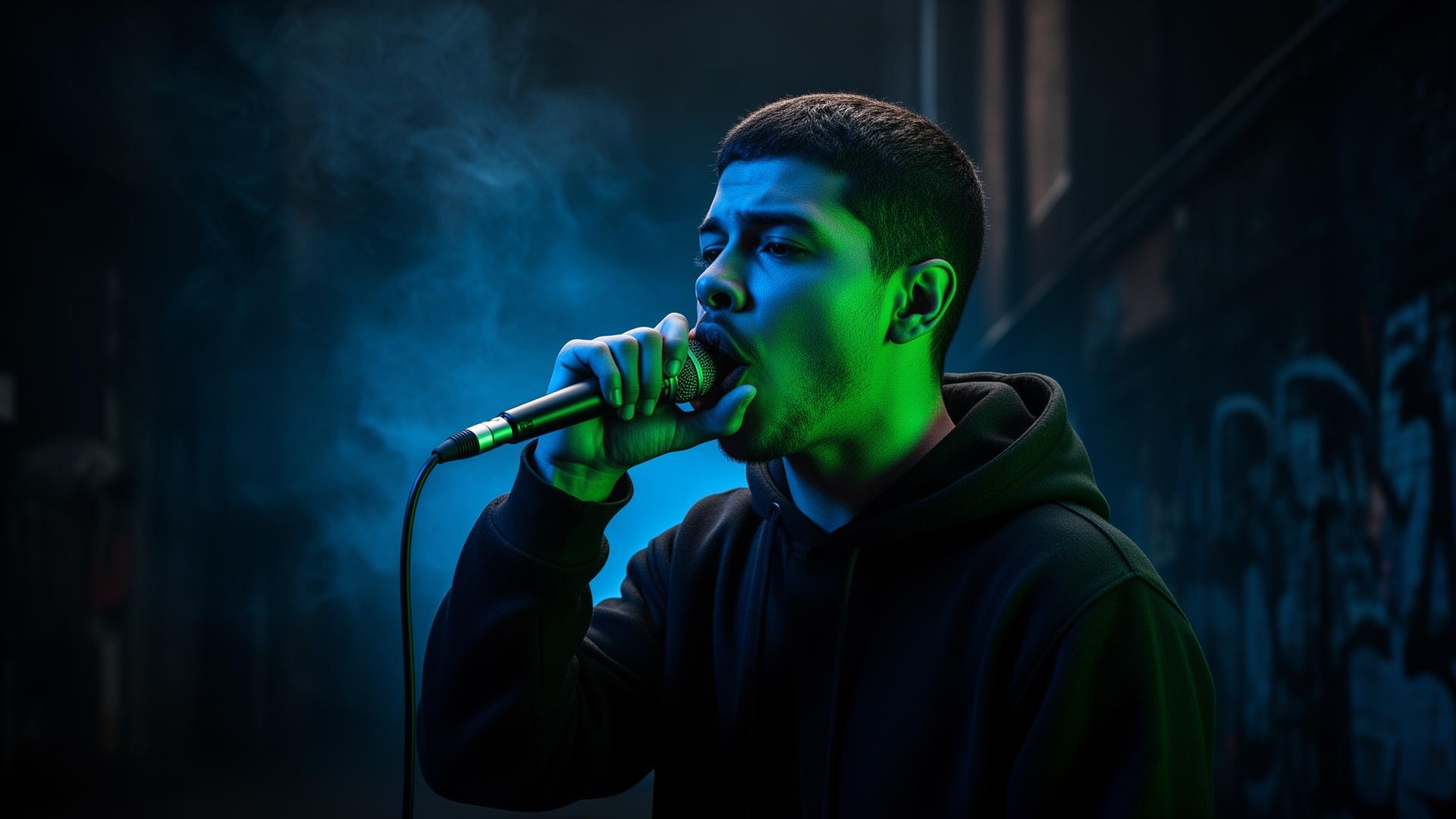
Beatboxing for Kids: Age, Learning, and Benefits
Beatboxing is one of the most accessible 'instruments' for children: no expensive equipment, no years of theoretical build-up, and instant feelings of accomplishment. Here's when and how children can learn to beatbox.
What Age Can Kids Start Beatboxing?
Children can begin with simple beatbox sounds around six years old. The prerequisite is the motor skill to consciously control their lips and tongue.
From the age of eight, more complex patterns are possible. Before six, we recommend playfully imitating sounds rather than structured courses.
How Do Children Learn Best?
Children learn through imitation and play. Instead of explaining theory, simply demonstrate it yourself and invite them to mimic.
Short, ten-minute sessions are better than long ones. Important: don't strive for perfect correction—fun takes precedence over technique.
Benefits of Beatboxing for Children
Beatboxing fosters a sense of rhythm, coordination, self-confidence, and breath control. Children who beatbox regularly often benefit in other musical areas too.
Speech therapists now specifically use beatbox exercises to promote speech development and oral motor skills.
What Parents Should Consider
Ensure breaks and plenty of water. Children tend to overexert themselves when beatboxing.
A good online course or local workshop provides structure without taking away the fun. Avoid strict drill-based programs for young children.
Practical tips for your next session
Plan your practice session on beatboxing for kids in three clear blocks: warm-up, focused drill and free play. This keeps your training varied and prevents voice and lip fatigue.
Record yourself on your phone and listen back two hours later — the time gap reveals weaknesses you overhear in the live moment. Note one concrete detail to work on in your next session.
Drink room-temperature water before and after practice and avoid coffee or milk right before a session. A warm, well-hydrated voice sounds fuller and survives longer sessions without going hoarse.
Next steps and further resources
If you want to deepen the topic of learning systematically, it pays to choose a structured learning path instead of consuming scattered YouTube tutorials. Consistency beats quantity — 15 minutes a day does more than three hours on the weekend.
Connect with others: Discord servers, local beatbox meetups and open-mic nights speed up your progress significantly because you get direct feedback and fresh inspiration. Find at least one community that matches your level.
Set yourself a realistic 30-day goal around beatboxing for kids — for example a complete beat at two tempos, one cleanly executed technique, or a 60-second showcase. Measurable goals make progress visible and keep motivation high.
Frequently Asked Questions
Is beatboxing harmful to a child's voice?
No, as long as breaks are taken and no painful sounds are practiced. If hoarseness occurs, pause.
Which sounds should children learn first?
Kick, Hi-Hat, and PF-Snare. The Throat-Bass is only recommended from around ten years of age.
Are there beatbox workshops for children?
Yes, many music schools offer children's workshops. Online, there are specific children's courses with age-appropriate pacing.