What is Beatboxing? Definition, History, and Sounds Explained
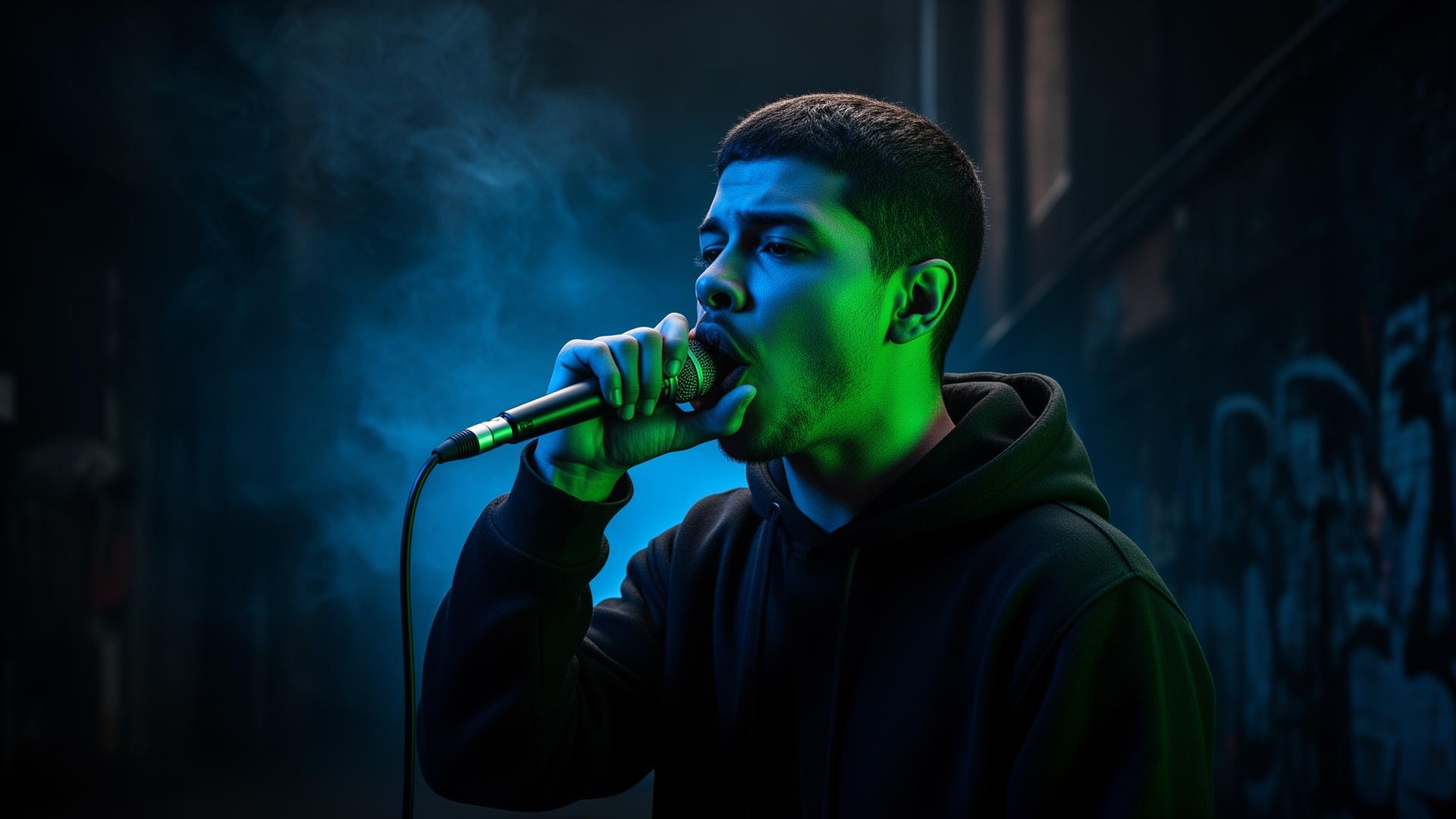
Beatboxing — also known as vocal percussion — is the art of creating drum sounds, basslines, and effects solely with your mouth, nose, and throat. Originating from Hip Hop, beatboxing is now an independent art form with world championships and a global community.
A Clear Definition
Beatboxing is vocal percussion at a high level: You produce drum sounds, basslines, and melodies simultaneously or in rapid succession using only your vocal apparatus. It's music without an instrument — your body is the machine.
The term comes from the English word for a drum machine: the Roland TR-808 was affectionately called a Beatbox in the 80s. The first beatboxers mimicked these machines with their mouths.
Where Beatboxing Comes From
Its roots lie in the Bronx of the early 80s. Pioneers like Doug E. Fresh, Buffy from the Fat Boys, and later Rahzel defined the discipline as a distinct element of Hip Hop alongside rapping, DJing, breakdancing, and graffiti.
Since the 2000s, beatboxing has professionalized globally. Events like the Grand Beatbox Battle in Switzerland and national championships in over 40 countries have created a unique scene with its own stars.
The Three Sound Families
Drums: Kick, Snare, Hi-Hat, Tom, and Cymbals — the foundation of every beat.
Bass: Throat bass, inward bass, and lip oscillator create deep frequencies typically only produced by synthesizers.
Effects: Scratches, sirens, trumpets, vocal cuts, and tonal effects expand your sound arsenal towards a complete production.
Why Beatboxing is Relevant
Beatboxing is one of the few instruments without a financial barrier. You need nothing but yourself. That's precisely what makes it the most democratic form of music today.
At the same time, it is a fully-fledged performance instrument: Beatboxers perform in bands, symphony orchestras, and on TV shows — from solo performances to collaborations with singers and rappers.
Practical tips for your next session
Plan your practice session on what is beatboxing in three clear blocks: warm-up, focused drill and free play. This keeps your training varied and prevents voice and lip fatigue.
Record yourself on your phone and listen back two hours later — the time gap reveals weaknesses you overhear in the live moment. Note one concrete detail to work on in your next session.
Drink room-temperature water before and after practice and avoid coffee or milk right before a session. A warm, well-hydrated voice sounds fuller and survives longer sessions without going hoarse.
Next steps and further resources
If you want to deepen the topic of basics systematically, it pays to choose a structured learning path instead of consuming scattered YouTube tutorials. Consistency beats quantity — 15 minutes a day does more than three hours on the weekend.
Connect with others: Discord servers, local beatbox meetups and open-mic nights speed up your progress significantly because you get direct feedback and fresh inspiration. Find at least one community that matches your level.
Set yourself a realistic 30-day goal around what is beatboxing — for example a complete beat at two tempos, one cleanly executed technique, or a 60-second showcase. Measurable goals make progress visible and keep motivation high.
Frequently Asked Questions
Is beatboxing the same as vocal percussion?
Vocal percussion is the umbrella term. Beatboxing is the Hip Hop-influenced variant that additionally incorporates bass and effects.
Can anyone learn to beatbox?
Yes. There are no physical prerequisites — patience and daily practice are key.
What is the most famous beatbox sound?
Boots & Cats — the classic mnemonic for kick-hi-hat-snare-hi-hat — is the introductory phrase for almost all beatboxers.