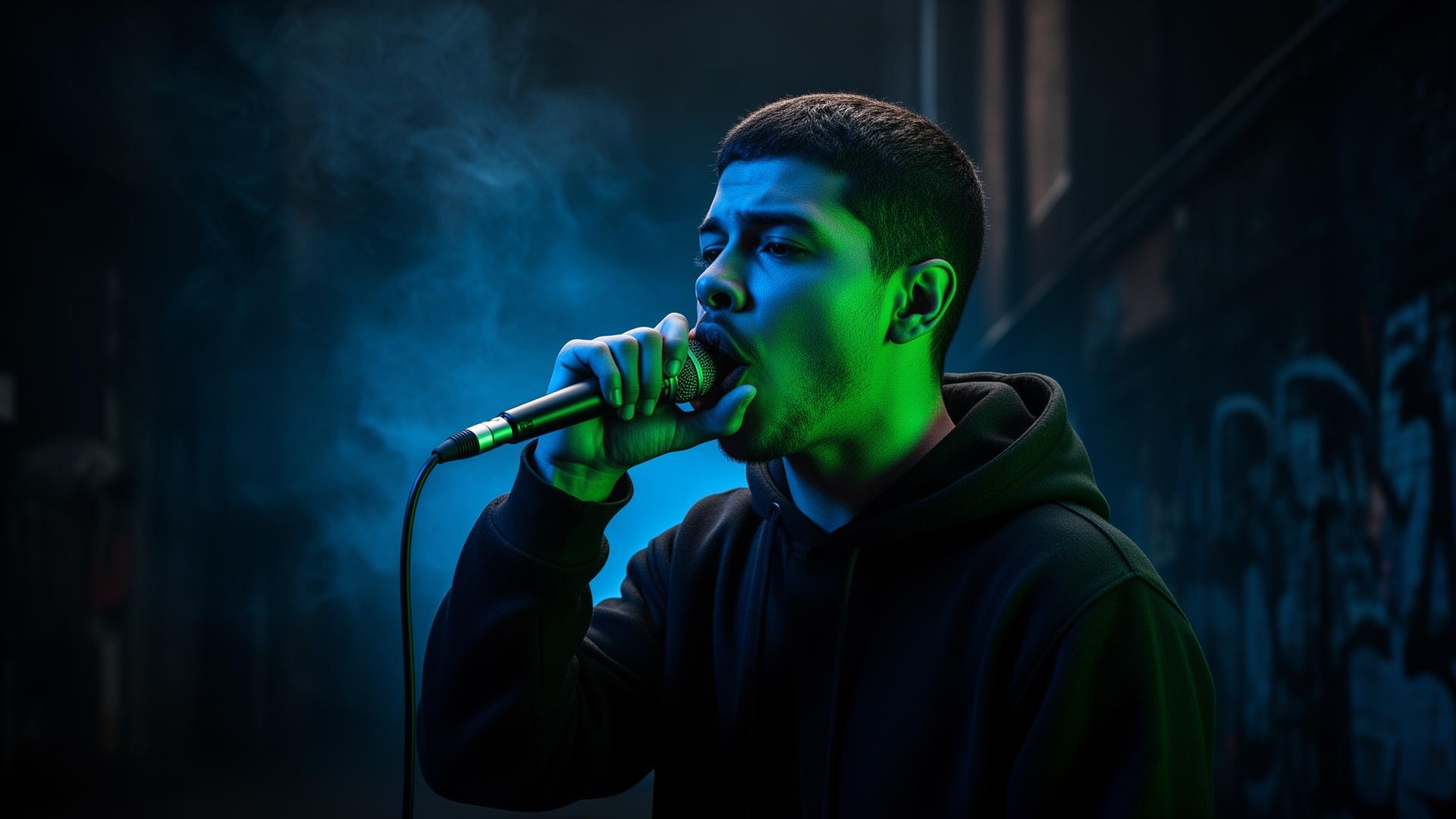
Learn the Kick Drum (B): Basic Beatbox Sound Tutorial
The kick drum is the most important sound in beatboxing. It gives the beat its punch, tempo, and identity. Once you master the kick, you've covered half the journey to any pattern.
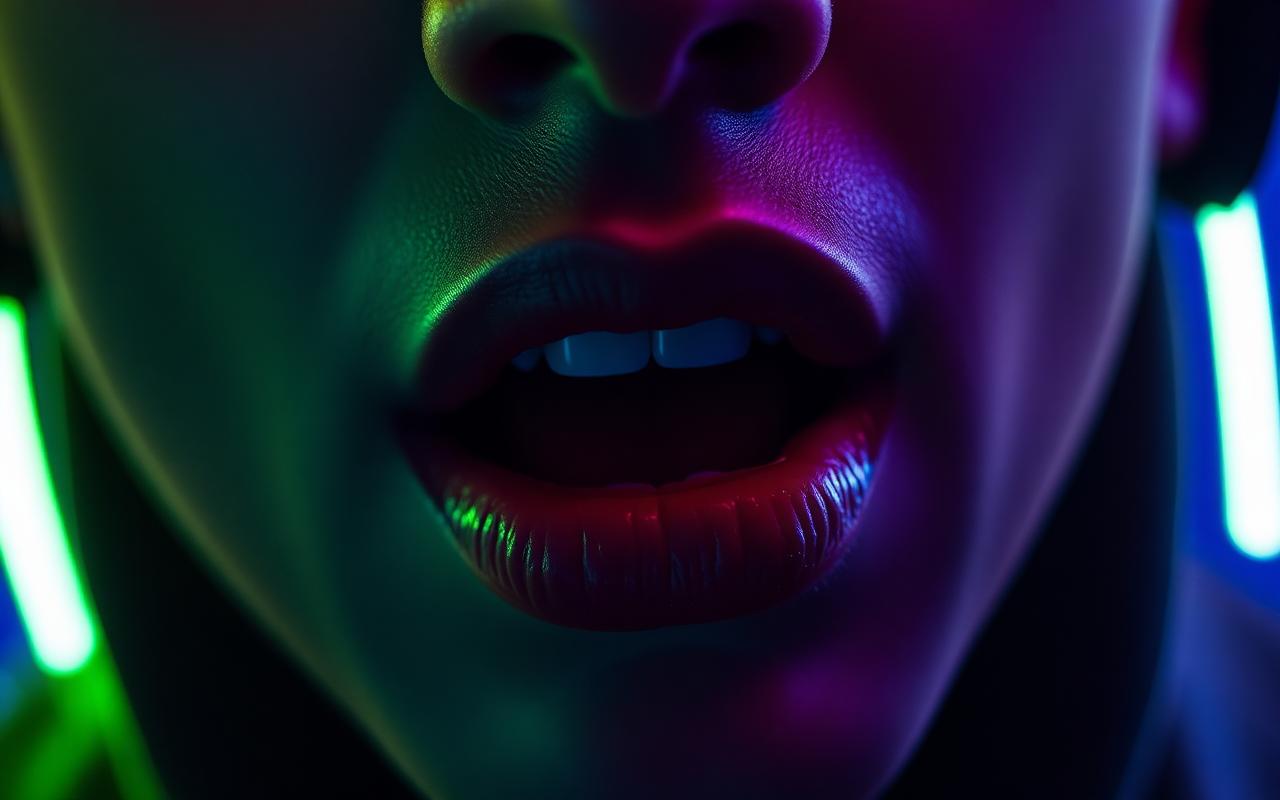
Anatomy of the Kick Sound
The classic kick (B) is created by a lip-pop: press your lips together, build pressure inside your mouth, then explosively open your lips. This produces the characteristic deep bass punch.
It's crucial that pressure is built inside the mouth—not the lungs. The kick is a short, sharp impulse, not a long breath.
Three Stages to Master the Kick
Stage 1: Practice dry lip-pops, without vocalization. Only move on when the pop sounds loud and clean.
Stage 2: Pops in series—four consecutive kicks at 80 BPM. Stage 3: Alternate kicks with hi-hats, then with snares.
Improve Pressure and Sound Quality
For more pressure, use diaphragm support: activate your abdominal breathing and let the pressure come from below. This transforms a thin kick into a rich bass drum.
For more depth, slightly round your lips and drop your jaw during the pop. Pro beatboxers combine this with minimal throat bass activation.
Common Kick Drum Mistakes
Too much air: If you produce the kick with breath pressure instead of lip pressure, you lose definition and tire quickly.
Excessive lip tension: Tense lips sound flat. Stay relaxed—the pressure comes from inside your mouth.
Practical tips for your next session
Plan your practice session on beatbox kick drum in three clear blocks: warm-up, focused drill and free play. This keeps your training varied and prevents voice and lip fatigue.
Record yourself on your phone and listen back two hours later — the time gap reveals weaknesses you overhear in the live moment. Note one concrete detail to work on in your next session.
Drink room-temperature water before and after practice and avoid coffee or milk right before a session. A warm, well-hydrated voice sounds fuller and survives longer sessions without going hoarse.
Next steps and further resources
If you want to deepen the topic of sounds systematically, it pays to choose a structured learning path instead of consuming scattered YouTube tutorials. Consistency beats quantity — 15 minutes a day does more than three hours on the weekend.
Connect with others: Discord servers, local beatbox meetups and open-mic nights speed up your progress significantly because you get direct feedback and fresh inspiration. Find at least one community that matches your level.
Set yourself a realistic 30-day goal around beatbox kick drum — for example a complete beat at two tempos, one cleanly executed technique, or a 60-second showcase. Measurable goals make progress visible and keep motivation high.
Frequently Asked Questions
How long until my kick sounds clean?
With five minutes of daily lip-pop practice, your kick should sound clean in about two weeks.
Can I make the kick without a lip-pop?
Yes, advanced beatboxers use throat kicks—but these are harder to learn and are introduced in stage two.
Why does my kick sound so quiet?
Most likely, you're using too much air and not enough lip pressure. Practice dry pops in front of a mirror until they make an audible 'pop' sound.