Learn Beatboxing for Beginners: The Complete Guide
Beatboxing may seem like magic from the outside, but it's truly a skill you can learn. This guide will show you how, as an absolute beginner, you can go from making noise to creating real beats in your first 30 days.
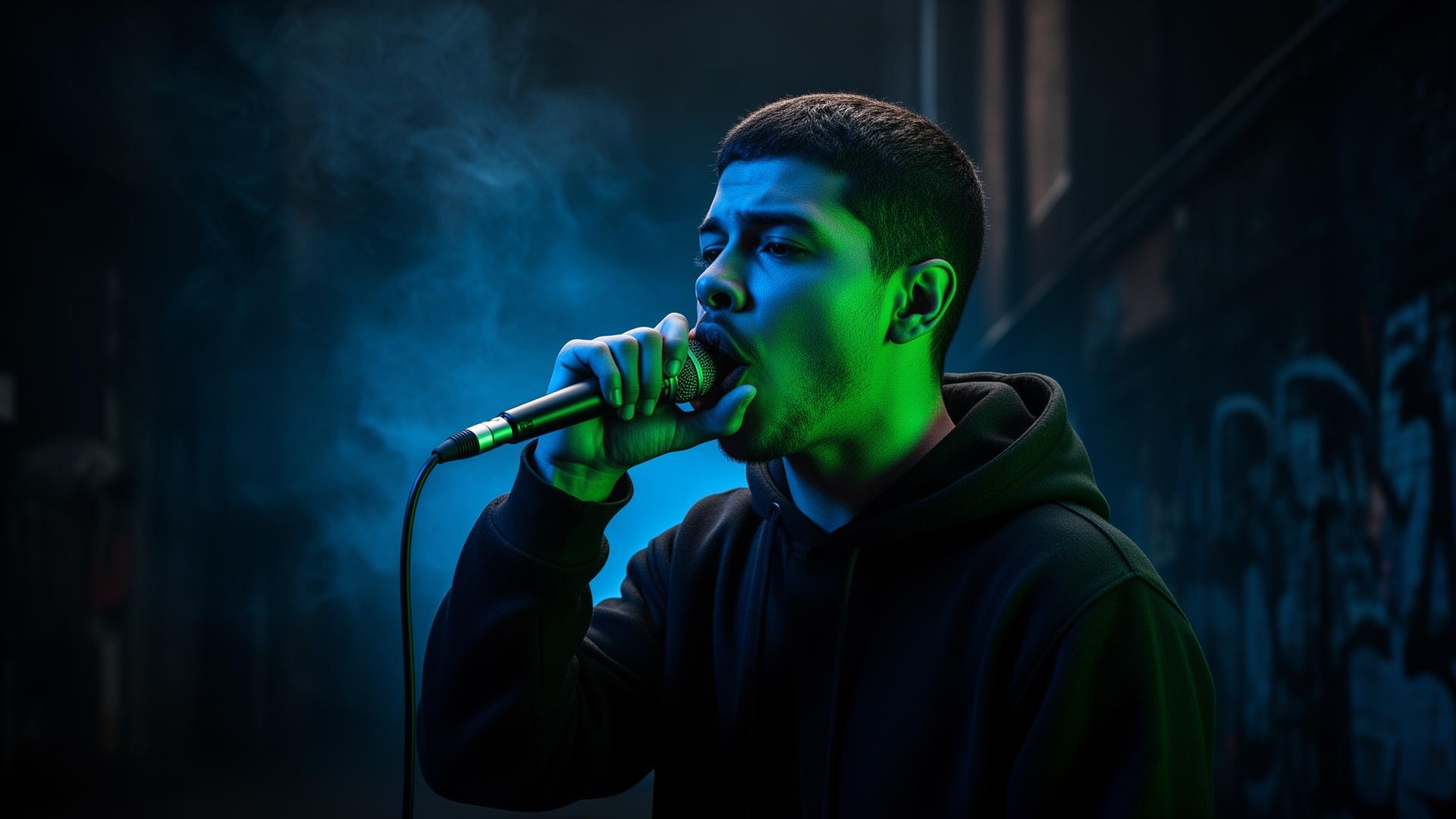
What You Need to Get Started
Beatboxing is one of the most accessible instruments out there: you don't need an amplifier, software, or expensive equipment. Your mouth, lips, tongue, and breath are all you need to start right away.
All you really need is a quiet room where you feel comfortable being loud, and a mirror to check your mouth and lip movements. If you have a smartphone, recording yourself can enormously speed up the learning process.
The Three Basic Sounds: Kick, Snare, Hi-Hat
The foundation of 90% of all beats consists of three sounds: the kick (B), the snare (PF or K), and the hi-hat (T or TS). Each of these sounds corresponds to a drum element and is produced with a clear mouth and lip movement.
Practice each sound alone until it is clean, powerful, and reproducible. Only then should you combine them into simple patterns like Boots & Cats — the most famous mnemonic in beatboxing.
Your 30-Day Practice Plan
For the first two weeks, allocate 15 minutes daily: 5 minutes warm-up, 5 minutes sound drills, 5 minutes free play. Consistency beats length — short daily sessions are more effective than sporadic hour-long sessions.
From week three, combine kick and hi-hat into patterns; from week four, add snare and simple variations. If you stick to this plan, you'll be performing your first complete beats after 30 days.
Avoid Common Beginner Mistakes
The most common mistake is tension: a clenched jaw, strained lips, and shallow breathing lead to weak sound and quick fatigue. Stay relaxed, breathe deeply, and give each sound its space.
The second mistake: attempting complex patterns too early. Trying to learn bass drops without mastering clean kicks is building on sand. Stick to the basics until they're solid.
Practical tips for your next session
Plan your practice session on learn beatboxing in three clear blocks: warm-up, focused drill and free play. This keeps your training varied and prevents voice and lip fatigue.
Record yourself on your phone and listen back two hours later — the time gap reveals weaknesses you overhear in the live moment. Note one concrete detail to work on in your next session.
Drink room-temperature water before and after practice and avoid coffee or milk right before a session. A warm, well-hydrated voice sounds fuller and survives longer sessions without going hoarse.
Next steps and further resources
If you want to deepen the topic of basics systematically, it pays to choose a structured learning path instead of consuming scattered YouTube tutorials. Consistency beats quantity — 15 minutes a day does more than three hours on the weekend.
Connect with others: Discord servers, local beatbox meetups and open-mic nights speed up your progress significantly because you get direct feedback and fresh inspiration. Find at least one community that matches your level.
Set yourself a realistic 30-day goal around learn beatboxing — for example a complete beat at two tempos, one cleanly executed technique, or a 60-second showcase. Measurable goals make progress visible and keep motivation high.
Frequently Asked Questions
How long does it take to learn beatboxing?
You can create your first beats after two to four weeks of daily practice. Reaching stage level typically takes one to three years, depending on your talent.
Do I need prior musical knowledge?
No. Beatboxing thrives on a sense of rhythm, which anyone can train with patience. Knowledge of musical notation is not required.
Can I learn beatboxing without a teacher?
Fundamentally yes, but structured online courses significantly speed up the process by providing feedback and a clear learning path.