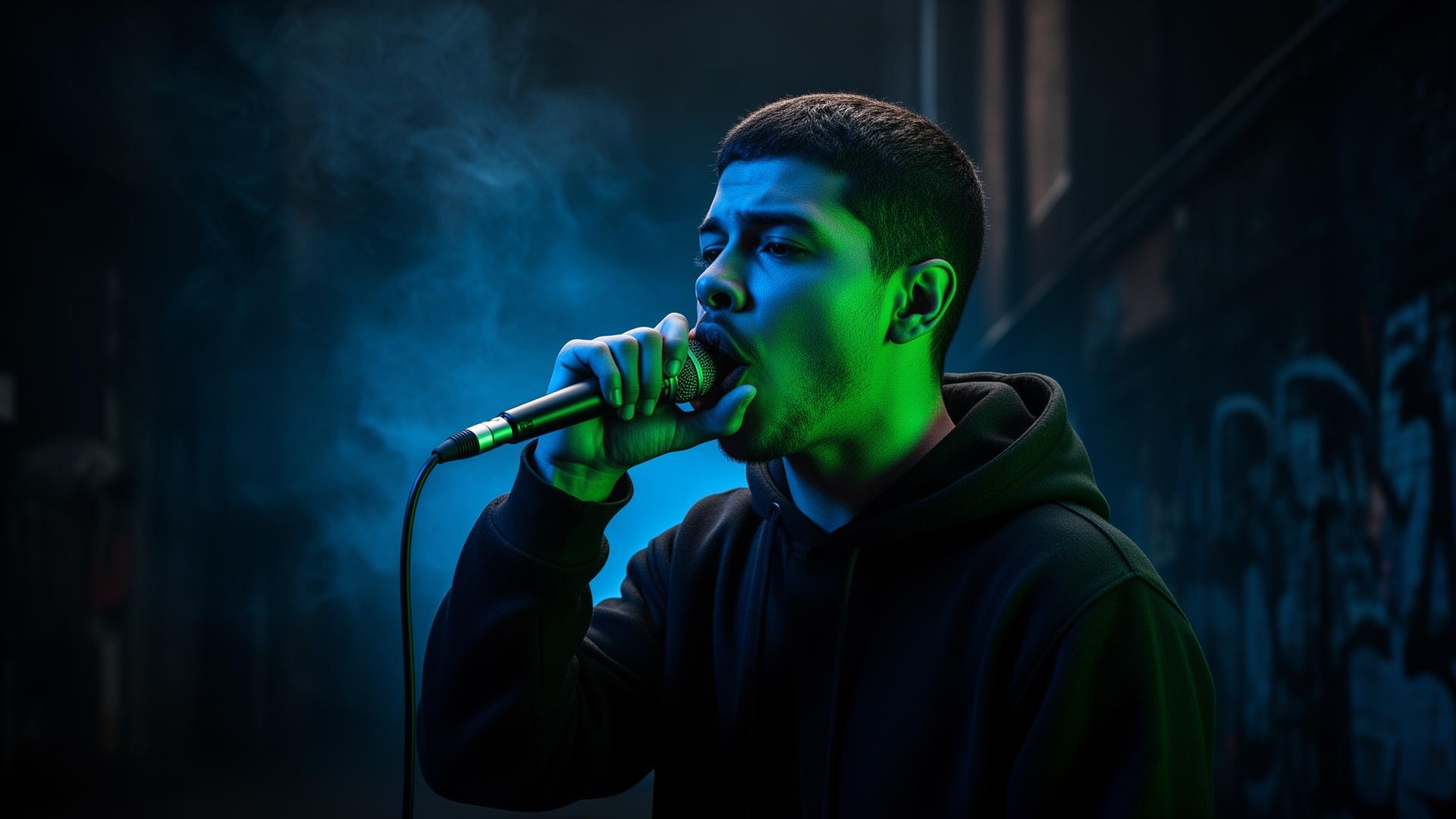
Beatboxing Bass Drops: Getting Deep Beats
Bass is the star sound in modern beatboxing. Mastering throat bass, inward bass, and lip oscillator will make you sound like a human synthesizer. Here's how to learn these three essential techniques.
Throat Bass: The Classic
Throat bass is created by deep vocal cord vibrations with a closed epiglottis. The sound is deep, growling, and perfect for dubstep or trap.
Practice by humming very deeply with slightly closed lips. Over time, you'll find the sweet spot where the sound vibrates like an 808.
Inward Bass: For Endless Lines
Inward bass combines throat bass with an inward breath. You produce bass while inhaling, allowing for endless bass lines.
This technique is challenging, but once mastered, you'll sound like a subwoofer with a loop function.
Lip Oscillator: The Modern Twist
The lip oscillator (also known as lip bass) uses vibrating lips with a simultaneous vocal tone. The result: a wobbly wobble bass straight out of a synth.
This technique is crucial for all dubstep beatboxers and has defined the modern sound since around 2015.
Integrating Bass into Your Patterns
Classically, bass hits on 1 and 3 — in sync with the kick drum. This provides maximum punch.
Advanced technique: create a bass line with its own rhythm, separate from the drum pattern. This creates complex, polyrhythmic beats.
Practical tips for your next session
Plan your practice session on bass drop beatbox in three clear blocks: warm-up, focused drill and free play. This keeps your training varied and prevents voice and lip fatigue.
Record yourself on your phone and listen back two hours later — the time gap reveals weaknesses you overhear in the live moment. Note one concrete detail to work on in your next session.
Drink room-temperature water before and after practice and avoid coffee or milk right before a session. A warm, well-hydrated voice sounds fuller and survives longer sessions without going hoarse.
Next steps and further resources
If you want to deepen the topic of sounds systematically, it pays to choose a structured learning path instead of consuming scattered YouTube tutorials. Consistency beats quantity — 15 minutes a day does more than three hours on the weekend.
Connect with others: Discord servers, local beatbox meetups and open-mic nights speed up your progress significantly because you get direct feedback and fresh inspiration. Find at least one community that matches your level.
Set yourself a realistic 30-day goal around bass drop beatbox — for example a complete beat at two tempos, one cleanly executed technique, or a 60-second showcase. Measurable goals make progress visible and keep motivation high.
Frequently Asked Questions
Which bass technique should I learn first?
Throat bass is the starting point. It forms the foundation for inward bass and lip oscillator.
Does throat bass hurt?
Not if you do it correctly. If you experience pain or hoarseness, take a break and check your technique.
Do I need a mic for bass?
For full impact, yes. A dynamic microphone with good bass response (e.g., Shure SM58) really brings out the throat bass.