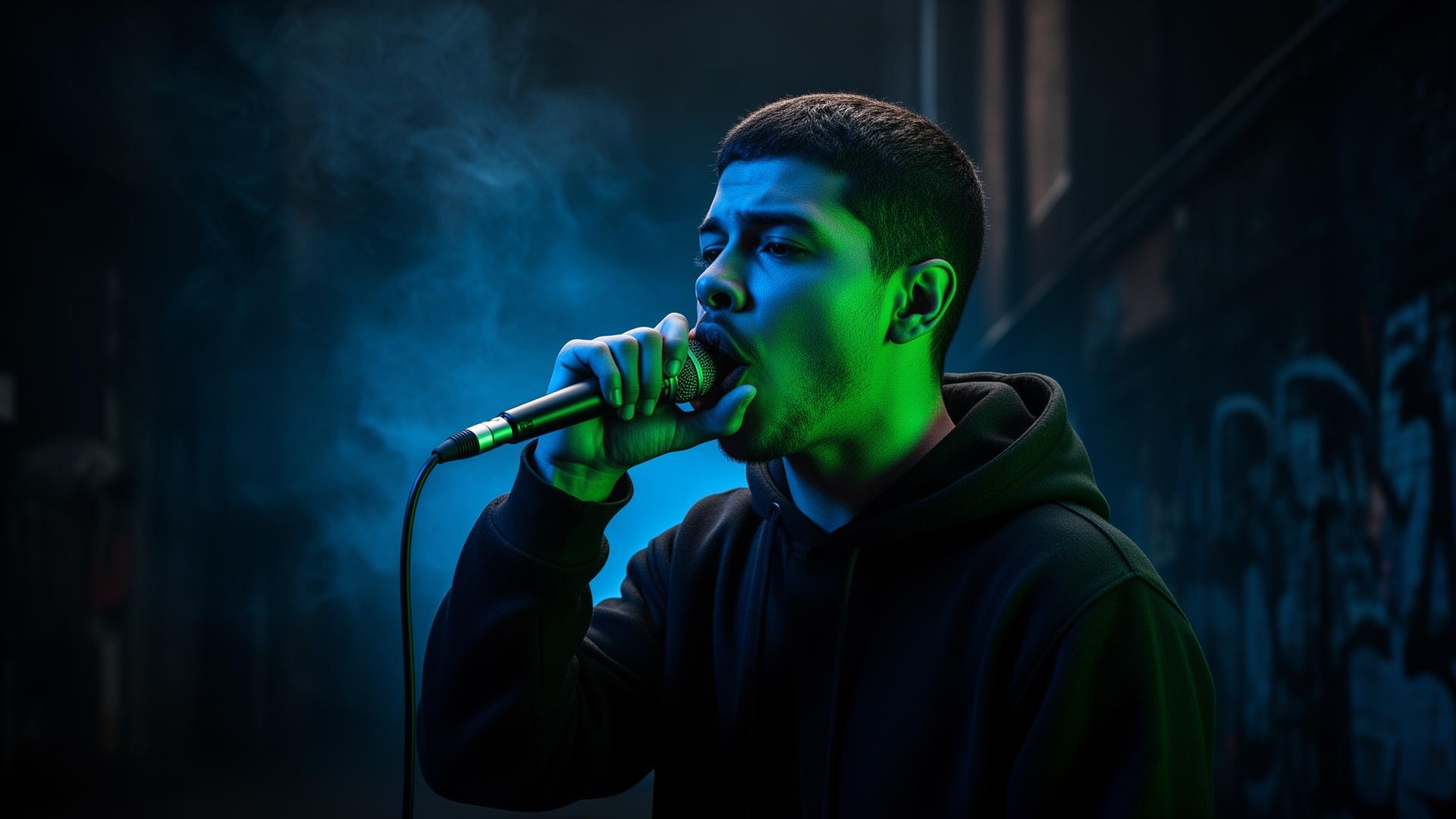
Beatboxer in a Band: Role, Sound, and Setup
Beatboxers in a band often replace the drummer or complement existing drums with percussive elements. Here's how it works and what to look out for.

What Role Does the Beatboxer Play?
Classic: Drums plus bass. The beatboxer takes on the full rhythm section.
Modern: The beatboxer adds effects, percussion, and bass drops to the drums – as an additional layer.
Sound in a Band Context
Within a band structure, clarity is more important than variety. Keep your patterns structured and easily audible.
Listen to your bandmates – beatboxing in a band is about ensemble play, not solo performance.
Setup and Microphones
Stage Setup: SM58 or Beta 58A, a personal monitor wedge, ideally in-ear monitoring.
Mix yourself clearly with the bass and drums – avoid frequency conflicts with the bassist and drummer.
Examples from the Scene
The Roots, with Rahzel, set the standard for beatboxers in bands.
Pentatonix features Kevin Olusola as a beatboxer in an entirely vocal band – a model emulated worldwide.
Practical tips for your next session
Plan your practice session on beatboxer in band in three clear blocks: warm-up, focused drill and free play. This keeps your training varied and prevents voice and lip fatigue.
Record yourself on your phone and listen back two hours later — the time gap reveals weaknesses you overhear in the live moment. Note one concrete detail to work on in your next session.
Drink room-temperature water before and after practice and avoid coffee or milk right before a session. A warm, well-hydrated voice sounds fuller and survives longer sessions without going hoarse.
Next steps and further resources
If you want to deepen the topic of performance systematically, it pays to choose a structured learning path instead of consuming scattered YouTube tutorials. Consistency beats quantity — 15 minutes a day does more than three hours on the weekend.
Connect with others: Discord servers, local beatbox meetups and open-mic nights speed up your progress significantly because you get direct feedback and fresh inspiration. Find at least one community that matches your level.
Set yourself a realistic 30-day goal around beatboxer in band — for example a complete beat at two tempos, one cleanly executed technique, or a 60-second showcase. Measurable goals make progress visible and keep motivation high.
Frequently Asked Questions
Do I need my own mixing console setup?
In professional bands, yes. A dedicated channel with a compressor and EQ is standard practice.
Does beatboxing work with every music genre?
With almost all – from hip-hop and pop to jazz and acoustic. It gets challenging with very classical music.
How do I find a band?
Check the local music scene, rehearsal space bulletin boards, online platforms like BandFinder, or Facebook groups.