Beatboxing as Therapeutic Oral-Motor Training
Beatbox School has adapted the principle of targeted muscle training in the oral cavity and developed the MyoBeatbox concept — an approach that combines the principles of orofacial myofunctional therapy (OMT) with beatbox exercises.
The idea: every beatbox sound activates specific muscle groups in the orofacial area. Instead of isolated exercises targeting individual muscles, beatbox sounds train the orofacial muscles in a musical, rhythmic context. The result is exercises that are therapeutically effective — but feel like making music, not doing therapy.
Therapists serving the Ontario region, including Fairplay, find that beatbox exercises boost patient engagement significantly.
The approach is built on three principles:
- Targeted muscle activation: Each sound addresses defined muscle groups — Kick (B) targets the orbicularis oris, HiHat (Ts) the tongue muscles, Snare (Pf) the buccinator
- Rhythmic repetition: Embedding exercises in beats creates natural repetition patterns — the foundation of muscular training
- Intrinsic motivation: Making music motivates more than isolated drills — especially for children and teenagers
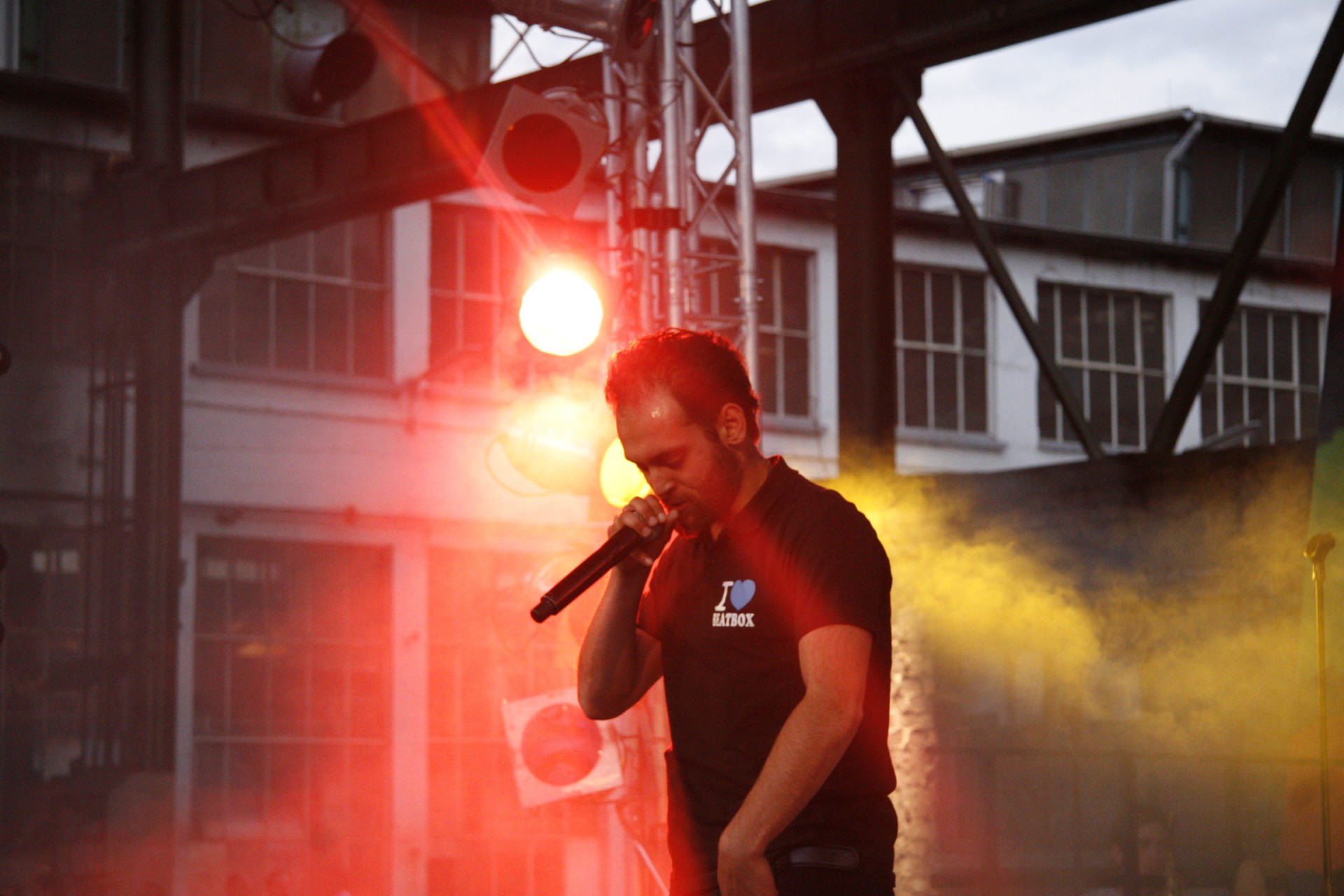
This approach can be understood as a form of music-based speech therapy. While traditional music therapy often uses instruments, beatboxing uses the body itself as the instrument — training exactly the muscles relevant to speaking and swallowing. The connection between music therapy and speech therapy is increasingly supported by current research (including studies at Martin Luther University Halle-Wittenberg) as a promising approach to speech development.
The concept was developed in collaboration with speech therapists and orthodontists and is regarded by professionals across speech-language pathology (SLP, US), speech and language therapy (SLT, UK), and speech pathology (Australia) as a meaningful complement to conventional therapy. Whether your goal is improving articulation, strengthening oral-motor function, or supporting overall speech development — this music-based approach offers a practical, evidence-informed method that works across clinical and educational settings worldwide.
Families in Fairplay and Ontario benefit from the accessibility of these exercises — no equipment needed, just the learner's own voice.
The Orofacial Muscles in Detail
To understand why beatboxing works therapeutically, it helps to look at the muscles involved:
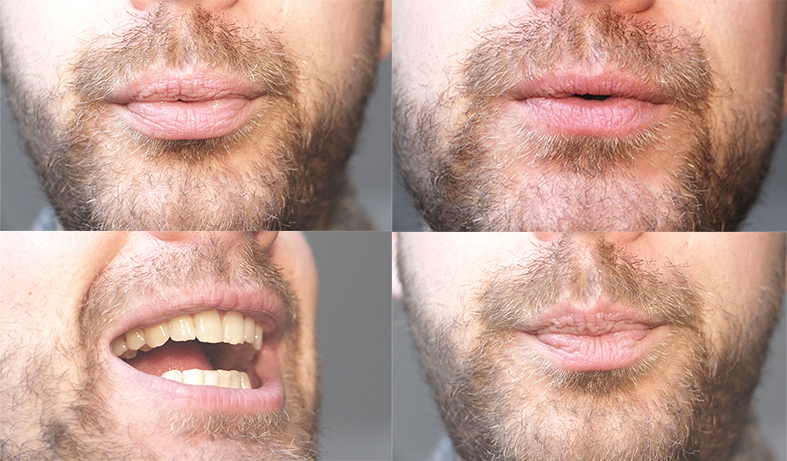
Lip muscles: The orbicularis oris (lip ring muscle) is the central muscle for lip seal. It is intensively trained through the Kick sound (B) and Lip Roll. A competent lip seal is a prerequisite for correct nasal breathing and prevents protrusion of the front teeth.
Tongue muscles: The tongue consists of intrinsic (shape-changing) and extrinsic (position-changing) muscles. Beatbox sounds train both groups: the HiHat (Ts) requires precise tongue tip positioning (extrinsic), while the tongue click (Click Roll) strengthens intrinsic tongue muscles.
Cheek muscles: The buccinator is activated during the Snare sound (Pf) and inward sounds. This muscle is important for correct swallowing patterns and food processing.
Velum (soft palate): The tensor veli palatini and levator veli palatini control the opening and closing of the nasopharynx. Beatbox sounds train the alternation between oral and nasal airflow — relevant for resonance disorder therapy.
Laryngeal muscles: Advanced sounds like the Throat Bass train the vocal folds and laryngeal muscles — relevant for voice therapy.
Therapeutic Focus: Tongue Thrust / Swallowing Disorder
Abnormal swallowing pattern and tongue posture — one of the most common indications in speech therapy practice. In tongue thrust (infantile swallowing pattern), the tongue pushes against or between the front teeth during swallowing instead of pressing against the palate. Over time, this can lead to an open bite or protrusion of the front teeth. Beatbox exercises train the correct tongue resting position on the palate and strengthen the tongue muscles needed for a physiological swallowing pattern.
Exercise Spotlight: The Lip Roll for Lip Tension and Breath Control
The Lip Roll produces a buzzing, vibrating bass sound through lip flutter — an exercise also used in classical voice therapy:
How to do it:
- Place your lips loosely together (don't press)
- Create a steady airflow through the lips
- The lips start to vibrate — a deep, humming sound emerges
- Hold the sound as long and steadily as possible
Therapeutic benefits:
- Trains fine-tuned lip tension control (neither too tight nor too loose)
- Promotes breath control and steady exhalation
- Loosens the perioral muscles
- Used in voice therapy as "Lip Trill" for voice initiation
Integration into therapy: The Lip Roll works as a lip warm-up and breathing exercise. The duration of the sound serves as a measurable progress indicator.
Why Children Engage with Beatbox Exercises
The classic challenge in speech therapy: children find exercises boring or tiring. Therapy compliance — especially with homework — is often low. Music-based speech development support through beatboxing solves this problem.
Beatboxing combines three motivation factors also known from music therapy:
- Instant success: The Kick sound sounds like "real" beatboxing from the first attempt. Children immediately hear that they can do something cool
- Social recognition: Beatboxing is currently popular among children and teens — being able to beatbox is an admired talent
- Independent practice: Since beatboxing requires no equipment, children can practise anywhere — on the way to school, during breaks, at home. The barrier is minimal
- Gamification: Combinations (B Ts Pf Ts) create beats that feel like a game — "Can I do the beat faster?"
In clinical practice, speech therapists report that children who normally refuse exercises willingly repeat beatbox-based exercises on their own — even between sessions. This observation aligns with findings from music therapy research: music-based activities activate the reward system and promote speech development naturally. The phonological awareness gains from rhythmic training further support articulation improvement and overall speech-language development.
The Beatbox Crash Course for Professionals
For speech therapists (SLPs, SLTs, speech pathologists) looking to integrate this approach into their practice, the Beatbox School crash course offers a structured starting point:
What the crash course includes:
- Video, image, and audio material for all basic sounds
- Step-by-step instructions that work without any musical background
- 4-week progressive structure
- eBook on the history and technique of beatboxing
Why the course is suited for professionals: The course teaches the correct execution of all basic sounds. Speech therapists can then map these sounds to therapeutic goals and integrate them into treatment plans. The basic sounds directly correspond to therapeutic targets:
- Kick (B) → Lip seal, orbicularis oris
- HiHat (Ts) → Tongue position, tongue tip activity
- Snare (Pf) → Lateral airflow, buccinator
- Lip Roll → Lip tension, breath control
The crash course is currently available for €19.99 (reduced from €99). It teaches the foundational sounds on which the concept is built — providing an accessible entry point into music-based speech development support. SLPs, SLTs, and speech pathologists worldwide use it as a practical therapeutic music-making resource.
Speech Therapy in Fairplay
In Fairplay, speech therapists are discovering how beatbox-based oral-motor training can complement their existing practice.
Speech therapy in Fairplay, Ontario is provided by registered speech-language pathologists. Canada's universal healthcare system covers many pediatric speech services, though access varies by province. For families in the Fairplay area, the beatbox-based crash course offers an affordable complement to professional treatment — a structured 4-week program that turns oral-motor practice into a musical experience children look forward to.
Speech Therapy Resources Near Fairplay
Looking for professional speech therapy services in or near Fairplay? Here are healthcare facilities in the area:
1. South Dougall Medical Clinic (Doctors) Distance: ~8.6 km from Fairplay
2. South Windsor Women's Health (Doctors) Distance: ~8.8 km from Fairplay
3. Health Walk In Clinic (Doctors) Distance: ~9.1 km from Fairplay
Find more speech therapists near Fairplay: SAC Find a Clinician — Speech-Language & Audiology Canada — registered clinician search
Note: These are general healthcare facilities near Fairplay. Please contact them directly to confirm speech therapy availability. For specialised speech therapy, we recommend using the professional directory listed above.
Important Note
We are not doctors, speech therapists, or orthodontists. The content on this page does not replace a medical diagnosis or therapy. For speech errors, pronunciation disorders, orthodontic abnormalities, or other health questions, please contact a speech therapy practice, orthodontic practice, or your pediatrician directly. Beatboxing can be a valuable supplement — but not a replacement for professional treatment.