Beatbox: The Instrument You Always Carry
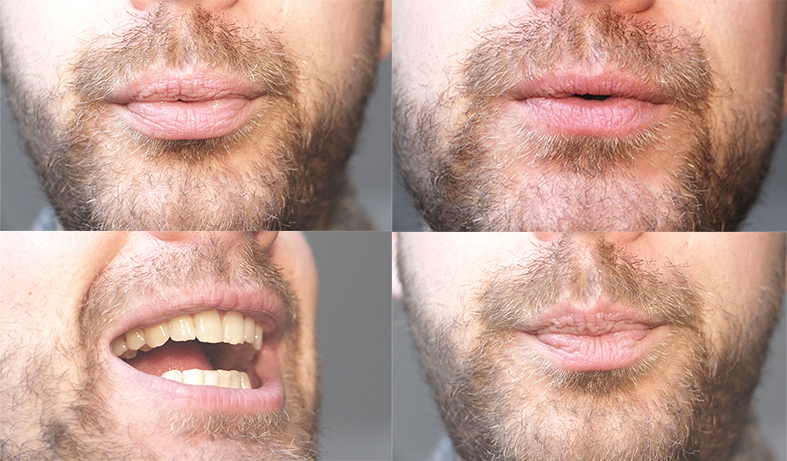
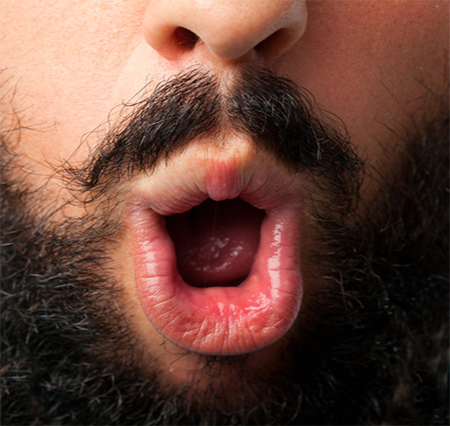
What sets beatboxing apart from every other instrument: you need nothing. No guitar, no piano, no amplifier. Your mouth is everything you need.
This makes beatbox the perfect entry into music:
- Free to start: No instrument costs, no maintenance, no spare parts
- Practice anywhere: On the bus, in the shower, in the park — beatbox works everywhere
- Start immediately: No setup, no tuning, no equipment check
- Always with you: Your instrument is with you 24/7
With our crash course, you learn the fundamentals in four weeks — completely digital, on any device.
More and more young people in Krakeel River are picking up beatboxing as a creative outlet.
The Social Side of Beatboxing
Beatboxing isn't just a solo skill — it connects people:
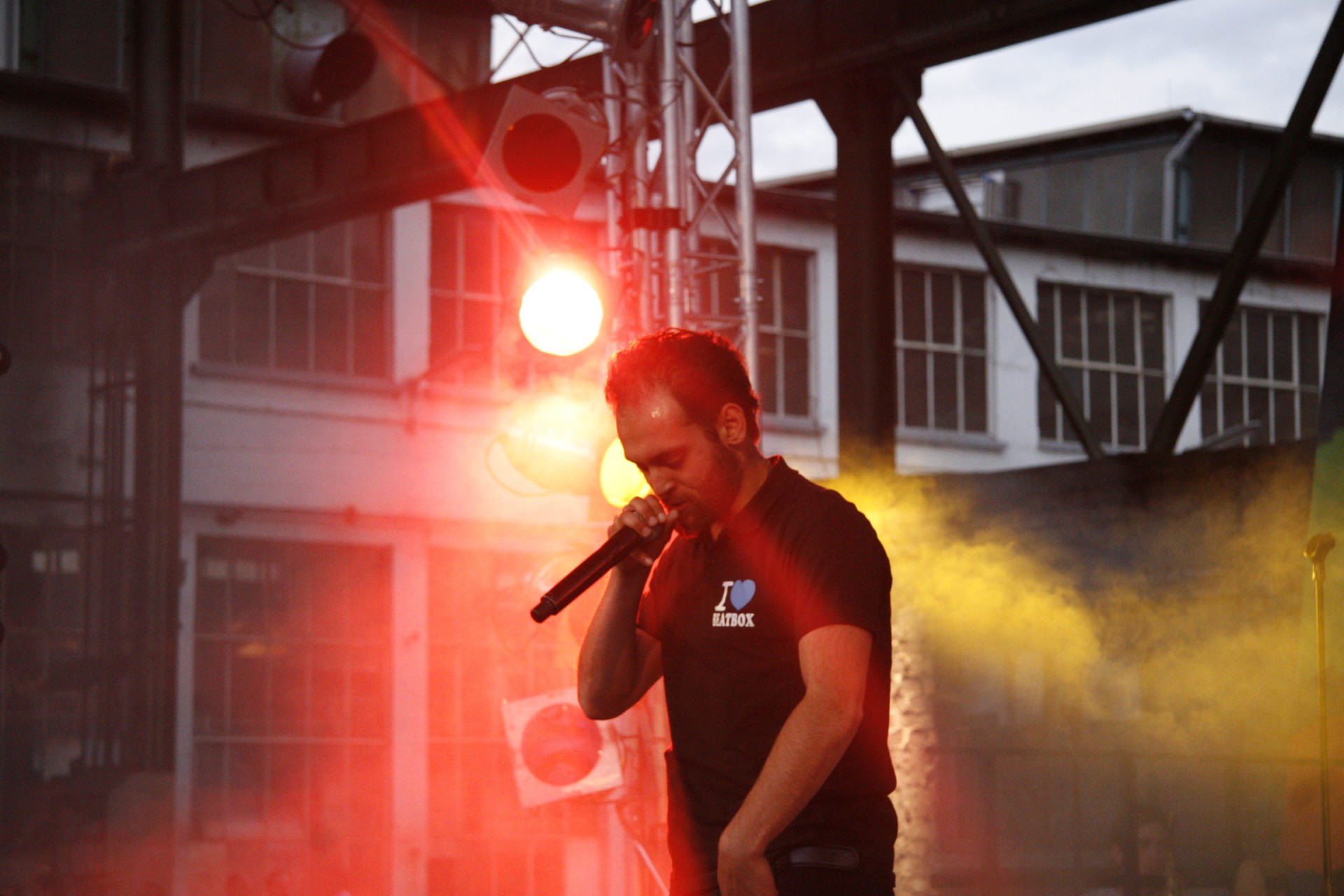
- Battle culture: Beatbox battles are friendly competitions where artists showcase their skills. From local meetups to world championships, the community is welcoming and supportive
- Collaboration: Beatboxers jam together, combining different styles and sounds into group performances
- Online community: Platforms like YouTube, TikTok, and Instagram have massive beatbox communities where you can share progress, get feedback, and find inspiration
- No barriers: Beatboxing crosses language, age, and economic barriers. You don't need to read music, own an instrument, or speak a specific language
- Confidence builder: Performing beatbox — even casually — builds self-confidence and stage presence
The global beatbox community is one of the most inclusive in music. Whether you're 8 or 80, beginner or pro, there's a place for you.
The Culture and History of Beatboxing
Beatboxing has deep roots and a vibrant present:
- Origins (1980s): Born in New York City's hip-hop scene alongside DJing, MCing, graffiti, and breakdancing. Early pioneers like Doug E. Fresh and Biz Markie made it famous
- Evolution (2000s): Artists like Rahzel ("If Your Mother Only Knew") proved beatbox could stand alone as an art form. The first world championships launched
- Modern era: Today's beatboxers produce sounds that seem physically impossible. Artists like Alem, NaPoM, and D-Low push the boundaries of human vocal ability
- Global movement: Beatbox communities exist on every continent. National and international championships draw thousands of competitors and millions of online viewers
From street corners to world stages — beatboxing has evolved from a hip-hop element into a global art form. And it all starts with three simple sounds.
From school hallways to local events, beatboxing is making waves in Krakeel River.
Your Start: The 4-Week Crash Course
The course is designed for complete beginners — no prior experience needed. In four weeks, you build your skills step by step:
- Week 1: Foundations — Basic sounds, breathing control, first simple rhythms
- Week 2: Patterns — Combining sounds into beats, timing and groove
- Week 3: Advanced — Lip Roll, bass drops, complex patterns and transitions
- Week 4: Creativity — Original beats, special sounds, and performance techniques
Includes video, image, and audio material, tips & tricks for beginners and advanced learners, plus an eBook on beatbox history and culture. All digital, instantly available.
Currently available for just €19.99 (reduced from €99). That's less than a single music lesson — for a complete 4-week programme.
Beatboxing in Krakeel River
South Africa's diverse musical heritage — from kwaito to gqom to jazz — creates a unique backdrop for beatboxing. In Krakeel River, Eastern Cape, beatboxing offers a way to make music that transcends language barriers. With 11 official languages, the vocal nature of beatboxing makes it universally accessible. The South African beatbox community is growing, and Krakeel River is part of that movement.
Important Note
We are not doctors, speech therapists, or orthodontists. The content on this page does not replace a medical diagnosis or therapy. For speech errors, pronunciation disorders, orthodontic abnormalities, or other health questions, please contact a speech therapy practice, orthodontic practice, or your pediatrician directly. Beatboxing can be a valuable supplement — but not a replacement for professional treatment.