The Three Foundation Sounds: Kick, HiHat, and Snare
Every beatboxer starts with three sounds that together create a complete drum beat:
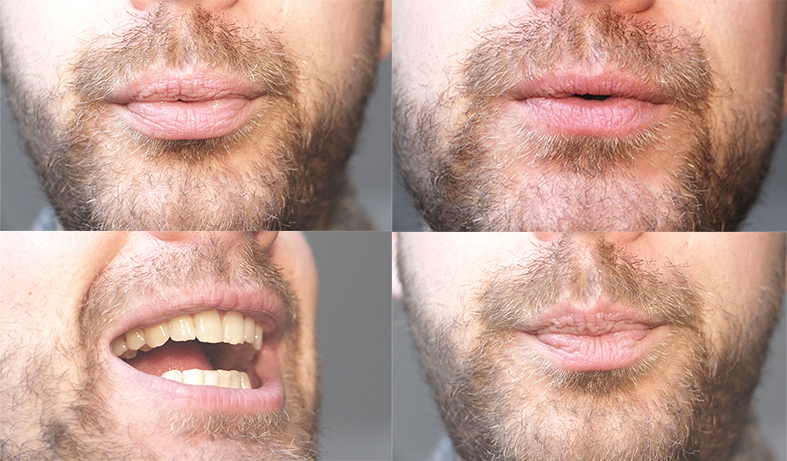
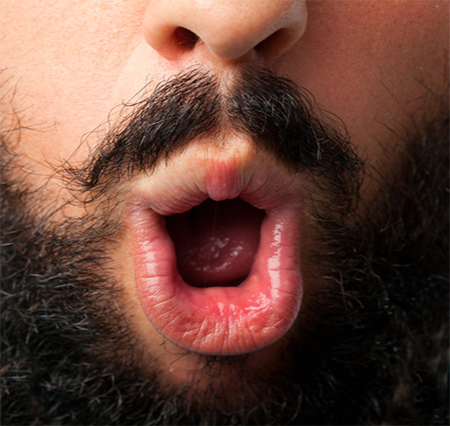
- Kick Drum (B): A deep, punchy bass sound. Shape your lips like the letter "B" and let the air burst out explosively.
- HiHat (Ts): A sharp, short hiss. The tongue tip taps behind the upper front teeth — like an exaggerated "Ts."
- Snare Drum (Pf): The classic snare clap. A combination of "P" and "F" where air escapes sideways through the cheeks.
These three sounds are the foundation. When you combine them — B Ts Pf Ts, B Ts Pf Ts — you have your first beat. This genuinely works in under 30 minutes.
Ready to become part of Kasa A's beatbox scene? Start with three sounds.
Beatbox as a Workout for Your Voice
Beatboxing is an intense workout for your entire vocal tract. Here's what happens:
- Larynx control: You learn to consciously control your larynx — for deep bass sounds and high-pitched hi-hat clicks
- Lung capacity: Through controlled breathing techniques, you increase your lung volume
- Vocal resonance: The different mouth positions train your resonance chambers
- Articulation: Rapid sound changes improve your pronunciation — even in normal speech
Speech therapists and orthodontists confirm that beatboxing trains the oral cavity for better speech clarity. That's why beatboxing also works as a complement to speech therapy.
From Beatbox to Music Production
Beatboxing is the gateway to understanding music:
- Rhythm fundamentals: You learn beat structures, time signatures, and groove — the foundation of all music
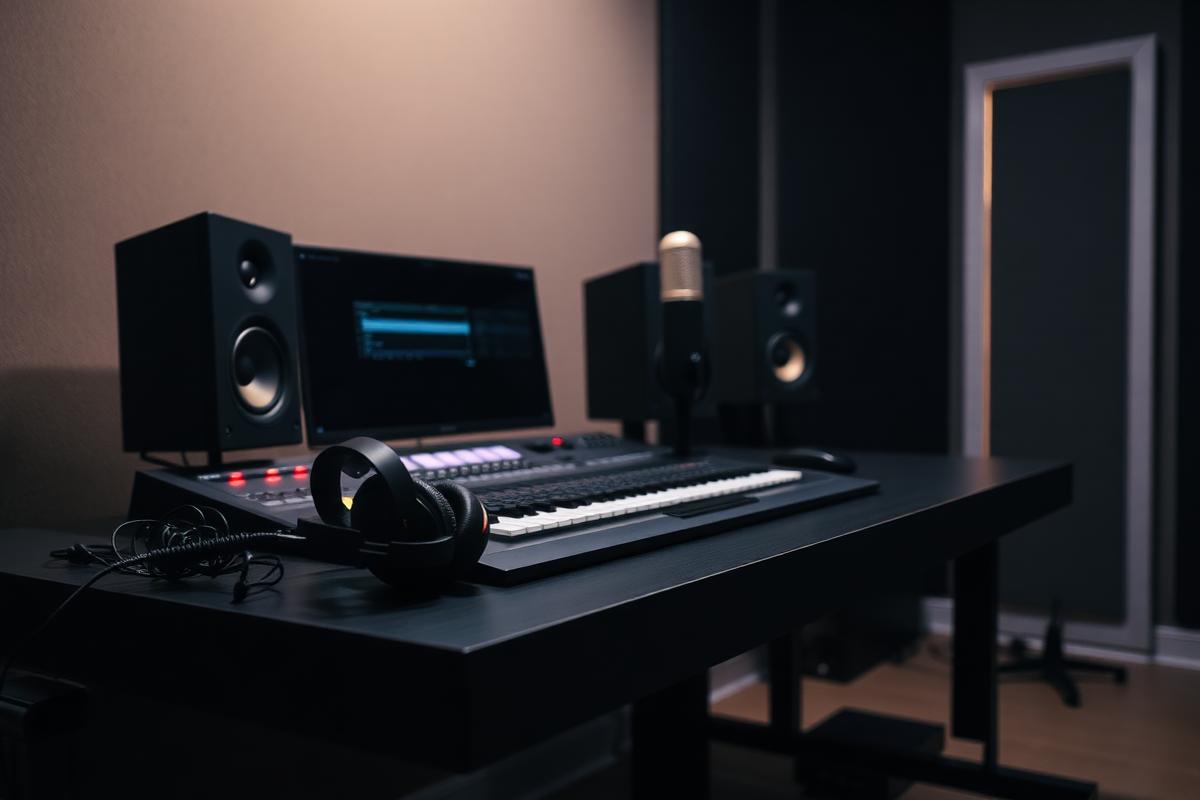
- Sound design: Creating different sounds with your mouth teaches you how audio works — frequencies, timbres, effects
- Loopstation: Many beatboxers use loop pedals to layer their sounds live, creating full tracks from their voice alone
- DAW skills: Understanding rhythms through beatbox makes learning music production software (FL Studio, Ableton, GarageBand) much easier
- Genre versatility: Beatbox rhythms translate to hip-hop, EDM, pop, jazz, and even orchestral music
Many professional music producers started with beatboxing. It's the most accessible path from "music listener" to "music creator."
For music enthusiasts in Kasa A, beatboxing offers a uniquely accessible entry point.
Your Start: The 4-Week Crash Course
The course is designed for complete beginners — no prior experience needed. In four weeks, you build your skills step by step:
- Week 1: Foundations — Basic sounds, breathing control, first simple rhythms
- Week 2: Patterns — Combining sounds into beats, timing and groove
- Week 3: Advanced — Lip Roll, bass drops, complex patterns and transitions
- Week 4: Creativity — Original beats, special sounds, and performance techniques
Includes video, image, and audio material, tips & tricks for beginners and advanced learners, plus an eBook on beatbox history and culture. All digital, instantly available.
Currently available for just €19.99 (reduced from €99). That's less than a single music lesson — for a complete 4-week programme.
Beatboxing in Kasa A
South Africa's diverse musical heritage — from kwaito to gqom to jazz — creates a unique backdrop for beatboxing. In Kasa A, Eastern Cape, beatboxing offers a way to make music that transcends language barriers. With 11 official languages, the vocal nature of beatboxing makes it universally accessible. The South African beatbox community is growing, and Kasa A is part of that movement.
Important Note
We are not doctors, speech therapists, or orthodontists. The content on this page does not replace a medical diagnosis or therapy. For speech errors, pronunciation disorders, orthodontic abnormalities, or other health questions, please contact a speech therapy practice, orthodontic practice, or your pediatrician directly. Beatboxing can be a valuable supplement — but not a replacement for professional treatment.