Beatbox: The Instrument You Always Carry
What sets beatboxing apart from every other instrument: you need nothing. No guitar, no piano, no amplifier. Your mouth is everything you need.
This makes beatbox the perfect entry into music:
- Free to start: No instrument costs, no maintenance, no spare parts
- Practice anywhere: On the bus, in the shower, in the park — beatbox works everywhere
- Start immediately: No setup, no tuning, no equipment check
- Always with you: Your instrument is with you 24/7
With our crash course, you learn the fundamentals in four weeks — completely digital, on any device.
Whether you're in central Ha-Taudi or the surrounding Free State area, you can start learning right from home.
The Three Foundation Sounds: Kick, HiHat, and Snare
Every beatboxer starts with three sounds that together create a complete drum beat:
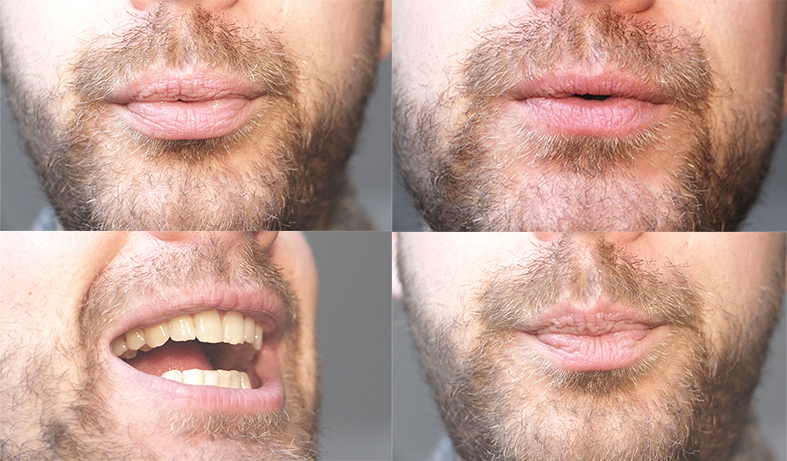
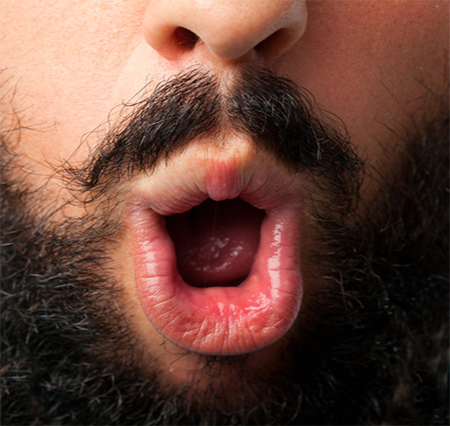
- Kick Drum (B): A deep, punchy bass sound. Shape your lips like the letter "B" and let the air burst out explosively.
- HiHat (Ts): A sharp, short hiss. The tongue tip taps behind the upper front teeth — like an exaggerated "Ts."
- Snare Drum (Pf): The classic snare clap. A combination of "P" and "F" where air escapes sideways through the cheeks.
These three sounds are the foundation. When you combine them — B Ts Pf Ts, B Ts Pf Ts — you have your first beat. This genuinely works in under 30 minutes.
Beatboxing as Brain Training
Beatboxing isn't just music — it's a cognitive workout. Research shows:
- Motor coordination: Producing complex rhythms requires precise coordination of lips, tongue, jaw, and breathing — simultaneously
- Working memory: Remembering and executing beat patterns trains your short-term memory
- Rhythm processing: Musical rhythm training improves timing, attention, and executive function
- Multitasking: Advanced beatboxers layer multiple sounds, training the brain to process parallel tasks
- Creativity: Improvising beats activates creative neural pathways — the same ones used in problem-solving
Studies at Martin Luther University Halle-Wittenberg show that children who beatbox develop better articulation and phonological awareness. It's music-making that makes you smarter.
Beatboxing is catching on across Free State, and Ha-Taudi is no exception.
Your Start: The 4-Week Crash Course
The course is designed for complete beginners — no prior experience needed. In four weeks, you build your skills step by step:
- Week 1: Foundations — Basic sounds, breathing control, first simple rhythms
- Week 2: Patterns — Combining sounds into beats, timing and groove
- Week 3: Advanced — Lip Roll, bass drops, complex patterns and transitions
- Week 4: Creativity — Original beats, special sounds, and performance techniques
Includes video, image, and audio material, tips & tricks for beginners and advanced learners, plus an eBook on beatbox history and culture. All digital, instantly available.
Currently available for just €19.99 (reduced from €99). That's less than a single music lesson — for a complete 4-week programme.
Beatboxing in Ha-Taudi
South Africa's diverse musical heritage — from kwaito to gqom to jazz — creates a unique backdrop for beatboxing. In Ha-Taudi, Free State, beatboxing offers a way to make music that transcends language barriers. With 11 official languages, the vocal nature of beatboxing makes it universally accessible. The South African beatbox community is growing, and Ha-Taudi is part of that movement.
Important Note
We are not doctors, speech therapists, or orthodontists. The content on this page does not replace a medical diagnosis or therapy. For speech errors, pronunciation disorders, orthodontic abnormalities, or other health questions, please contact a speech therapy practice, orthodontic practice, or your pediatrician directly. Beatboxing can be a valuable supplement — but not a replacement for professional treatment.